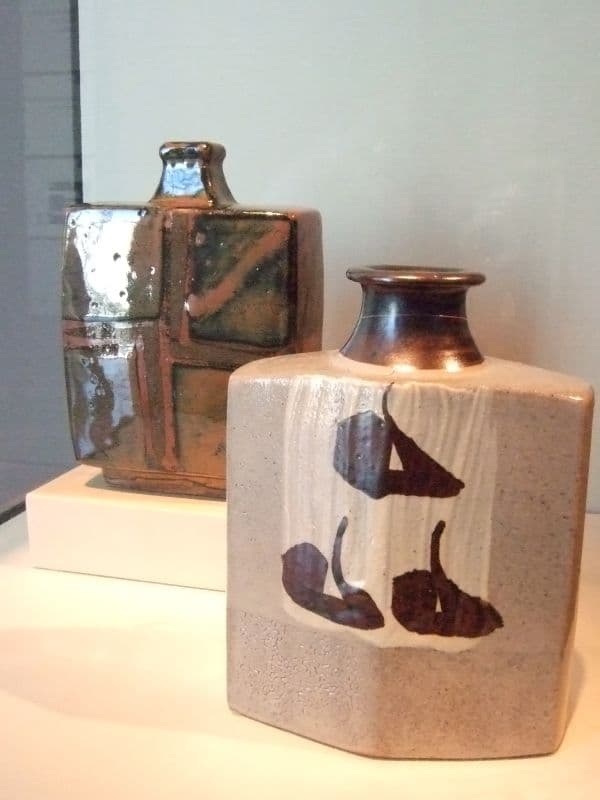
Mashiko-yaki
PotteryKanto
Price range
¥800 ~ ¥50,000
Folk pottery from Tochigi, popularized by Shoji Hamada and the mingei movement.
Mashiko-yaki is a rustic style of pottery from Mashiko, Tochigi Prefecture, established in the mid-19th century. It gained international fame through the work of Hamada Shoji, a Living National Treasure and co-founder of the mingei (folk craft) movement, who chose Mashiko as his home. Characterized by thick, sturdy forms and warm earth-toned glazes, Mashiko-yaki embodies the mingei philosophy of finding beauty in everyday utilitarian objects.
At a Glance
- Craft Type
- pottery
- Region
- Kanto
- Materials
- Local clay, rice husk ash glaze
- Designation
- national traditional
- Price Range
- ¥800–¥50000
Materials
Local clay, rice husk ash glaze
Techniques
Kick wheel, slip decoration
Frequently Asked Questions
What type of craft is Mashiko-yaki?
Mashiko-yaki is a traditional Japanese pottery craft.
What materials are used to make Mashiko-yaki?
Mashiko-yaki is made using Local clay, rice husk ash glaze.
Is Mashiko-yaki a designated traditional craft?
Yes, Mashiko-yaki holds the National Traditional Craft designation.
Where does Mashiko-yaki originate from?
Mashiko-yaki originates from Kanto, Japan.
What techniques are used to make Mashiko-yaki?
The techniques used include: Kick wheel, slip decoration.
How much does Mashiko-yaki cost?
Mashiko-yaki is typically priced between ¥800 and ¥50000.
Is Mashiko-yaki a good souvenir from Japan?
Mashiko-yaki is a popular traditional Japanese craft that makes an excellent souvenir.
What makes Mashiko-yaki unique?
Mashiko-yaki is distinguished by its Kick wheel, slip decoration techniques and Local clay, rice husk ash glaze materials.
How is Mashiko-yaki traditionally used?
Mashiko-yaki is a traditional Japanese pottery craft with both practical and decorative applications.