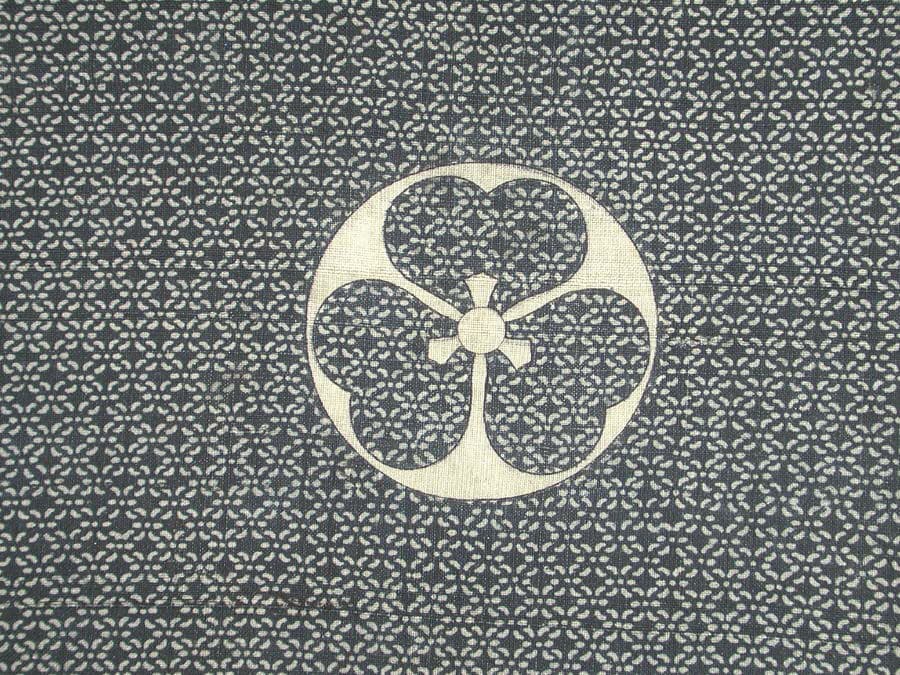
Edo-komon
DyeingKanto
Price range
¥30,000 ~ ¥500,000
Fine stencil-dyed patterns from Tokyo, originally for samurai kamishimo.
Edo-komon is an extremely fine pattern-dyeing technique originating from Edo (Tokyo) during the feudal era, when samurai wore kamishimo garments dyed with minute patterns identifying their domain. Using handmade ise-katagami stencils, artisans apply rice-paste resist in patterns so fine — sometimes over 900 dots per three-centimeter square — that the fabric appears a solid color from a distance. This understated elegance, revealing its intricacy only upon close inspection, epitomizes the Edo aesthetic of iki (refined chic).
At a Glance
- Craft Type
- dyeing
- Region
- Kanto
- Materials
- Silk, resist paste
- Designation
- national traditional
- Price Range
- ¥30000–¥500000
Materials
Silk, resist paste
Techniques
Paper stencil cutting, paste resist
Frequently Asked Questions
What type of craft is Edo-komon?
Edo-komon is a traditional Japanese dyeing craft.
What materials are used to make Edo-komon?
Edo-komon is made using Silk, resist paste.
Is Edo-komon a designated traditional craft?
Yes, Edo-komon holds the National Traditional Craft designation.
Where does Edo-komon originate from?
Edo-komon originates from Kanto, Japan.
What techniques are used to make Edo-komon?
The techniques used include: Paper stencil cutting, paste resist.
How much does Edo-komon cost?
Edo-komon is typically priced between ¥30000 and ¥500000.
Is Edo-komon a good souvenir from Japan?
Edo-komon is a popular traditional Japanese craft that makes an excellent souvenir.
What makes Edo-komon unique?
Edo-komon is distinguished by its Paper stencil cutting, paste resist techniques and Silk, resist paste materials.
How is Edo-komon traditionally used?
Edo-komon is a traditional Japanese dyeing craft with both practical and decorative applications.