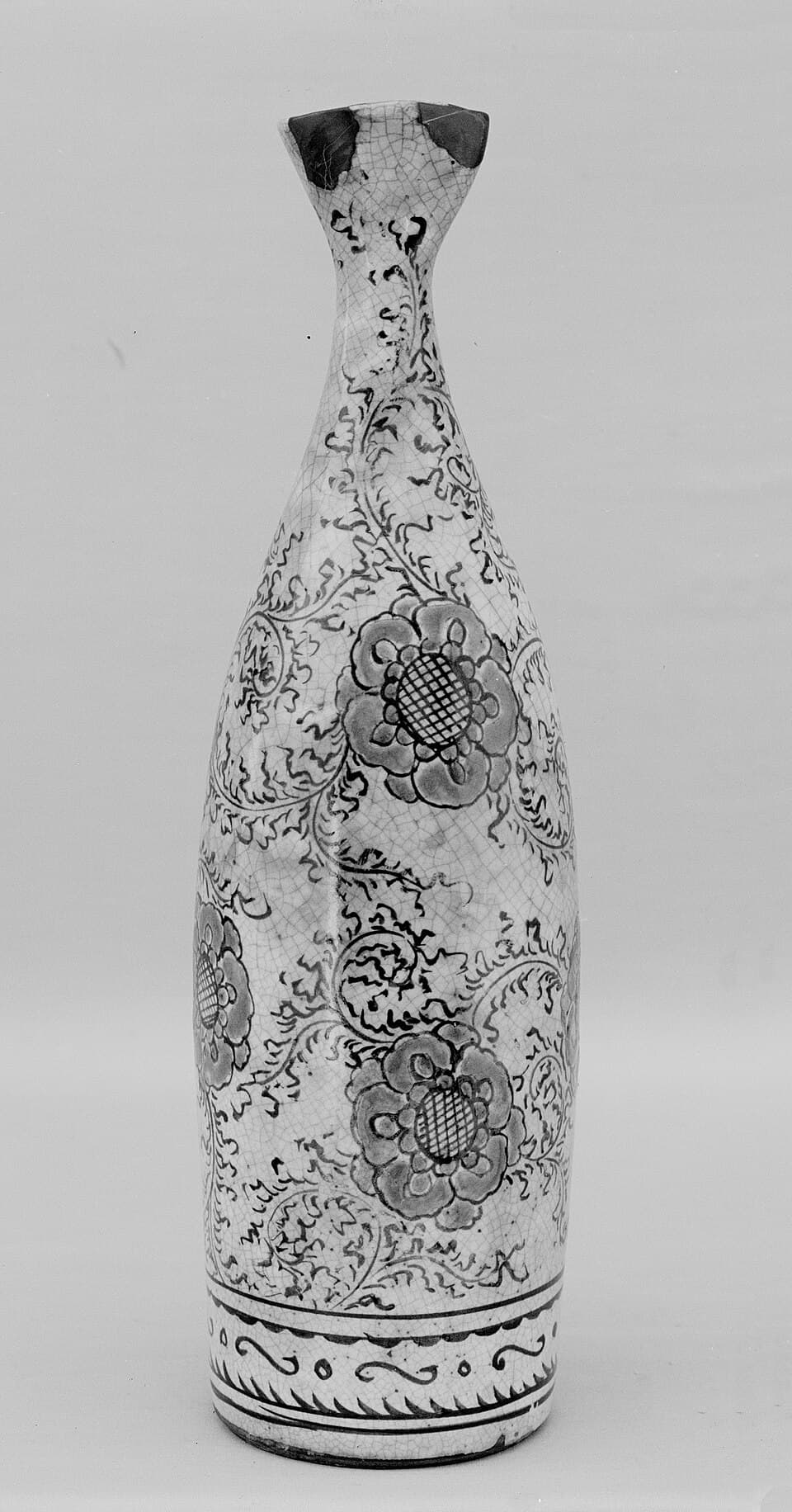
Banko-yaki
PotteryKansai
Price range
¥1,000 ~ ¥30,000
Heat-resistant pottery from Mie, famous for donabe clay pots and teapots.
Banko-yaki is a ceramic tradition from Yokkaichi, Mie Prefecture, dating to the mid-18th century. It is best known for its shidei (purple clay) teapots, prized for enhancing the flavor of Japanese green tea, similar to Chinese yixing ware. Banko-yaki also produces heat-resistant earthenware donabe cooking pots that account for a large share of Japan's domestic market. The combination of functionality and understated beauty defines this versatile craft.
At a Glance
- Craft Type
- pottery
- Region
- Kansai
- Materials
- Lithium-bearing clay
- Designation
- national traditional
- Price Range
- ¥1000–¥30000
Materials
Lithium-bearing clay
Techniques
Press molding, heat-resistant forming
Frequently Asked Questions
What type of craft is Banko-yaki?
Banko-yaki is a traditional Japanese pottery craft.
What materials are used to make Banko-yaki?
Banko-yaki is made using Lithium-bearing clay.
Is Banko-yaki a designated traditional craft?
Yes, Banko-yaki holds the National Traditional Craft designation.
Where does Banko-yaki originate from?
Banko-yaki originates from Kansai, Japan.
What techniques are used to make Banko-yaki?
The techniques used include: Press molding, heat-resistant forming.
How much does Banko-yaki cost?
Banko-yaki is typically priced between ¥1000 and ¥30000.
Is Banko-yaki a good souvenir from Japan?
Banko-yaki is a popular traditional Japanese craft that makes an excellent souvenir.
What makes Banko-yaki unique?
Banko-yaki is distinguished by its Press molding, heat-resistant forming techniques and Lithium-bearing clay materials.
How is Banko-yaki traditionally used?
Banko-yaki is a traditional Japanese pottery craft with both practical and decorative applications.